#1 Editor's Choice
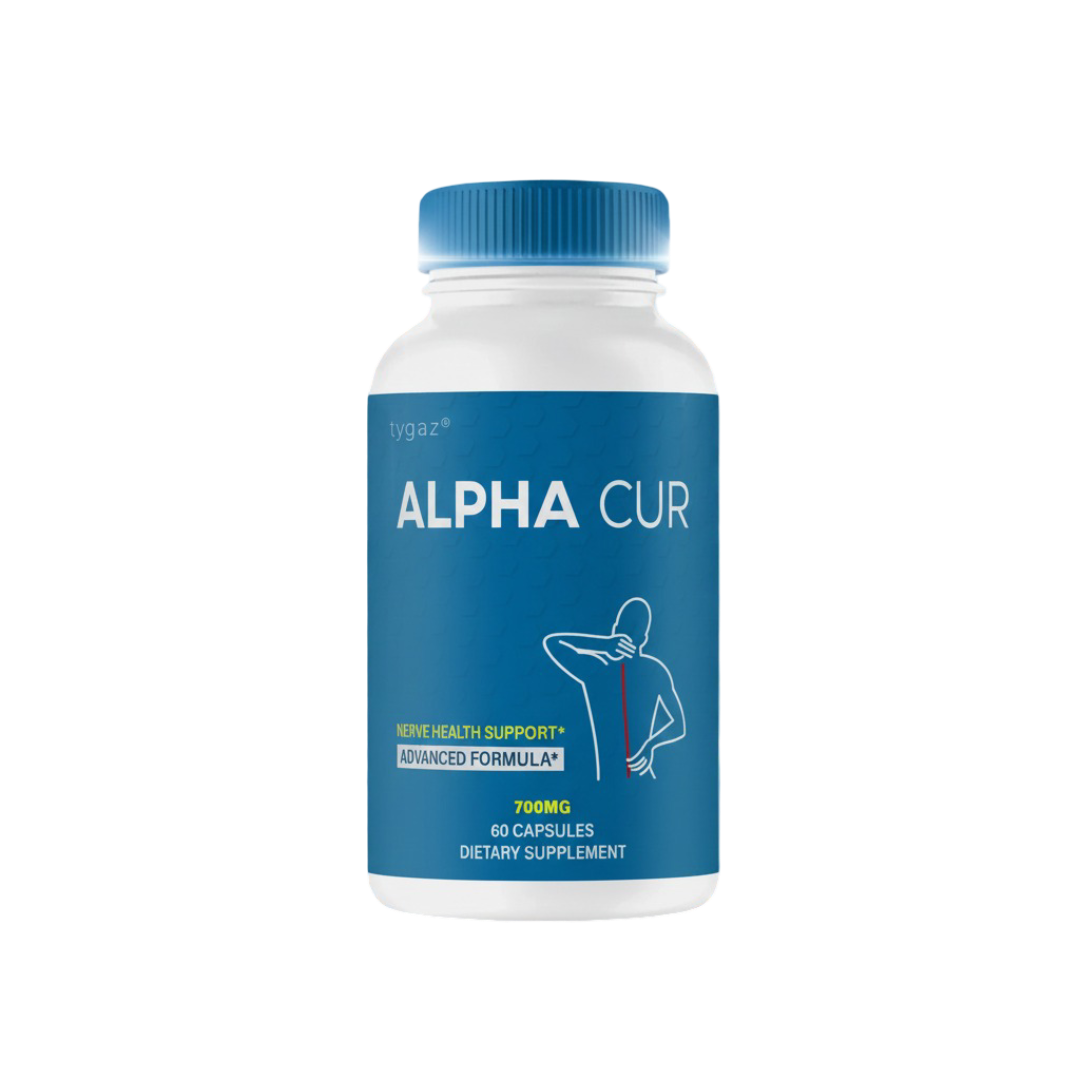
✨ Alphacur
- 📚 Published Clinical Data
- 🔍 Transparent Dosing
- 💯 97% Satisfaction Rate
💪 Experience the advanced scientifically-designed blend that supports nerve regeneration and reduces discomfort—without invasive procedures or harsh chemicals. Join thousands who are living pain-free!



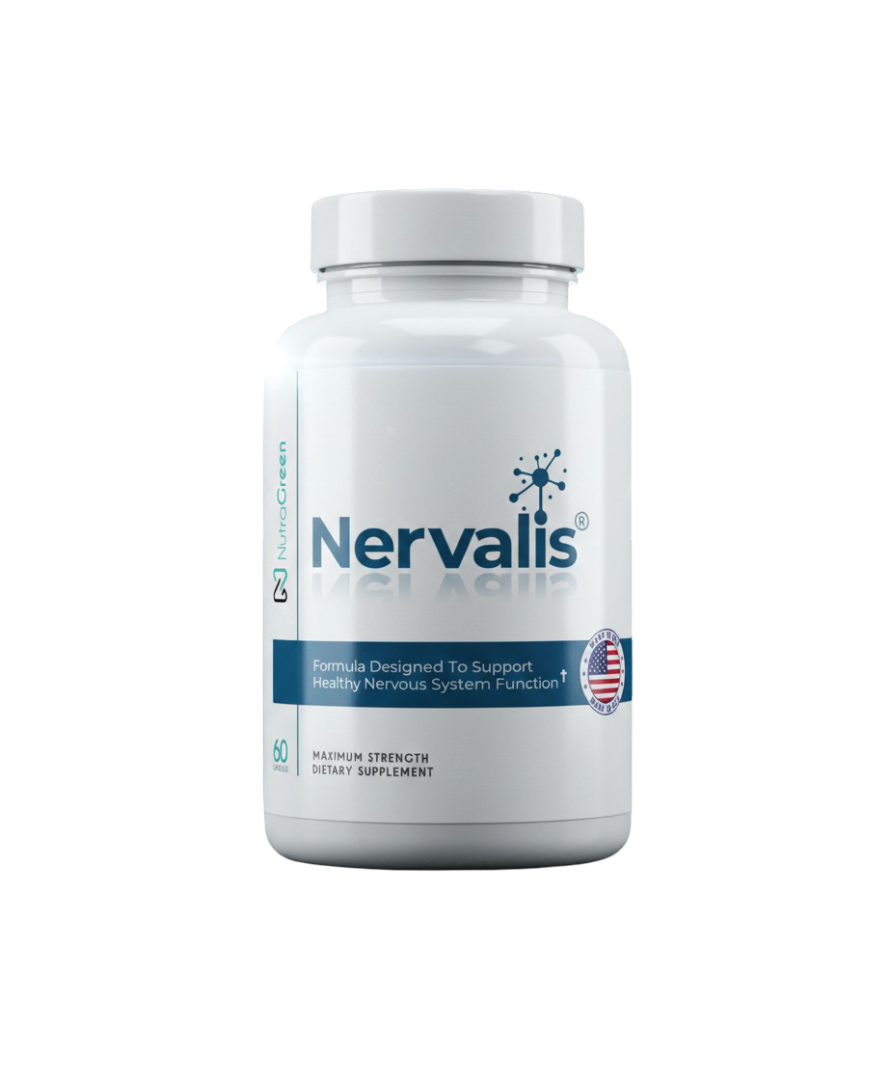
💊 Nervalis supplements present themselves as a comprehensive nerve health solution packaged in capsule form, specifically developed to address peripheral neuropathy concerns. The product contains 60 capsules per bottle and appears targeted toward individuals experiencing tingling sensations, numbness, burning discomfort, or nerve-related pain in their extremities. According to the manufacturer, this formulation combines vitamins, antioxidants, amino acids, and botanical extracts in what they describe as a synergistic blend for nerve tissue support. ✨
🏭 The Nervalis website emphasizes a twice-daily dosing schedule, with claims suggesting the formula could potentially influence nerve inflammation, blood circulation to peripheral tissues, and cellular oxidative stress levels. Production reportedly occurs within FDA-registered facilities that maintain GMP certification standards, though the company behind Nervalis remains somewhat opaque regarding corporate structure and research credentials. The product positions itself as a natural alternative for those seeking non-pharmaceutical nerve support options. 🌿
⚠️ Despite marketing assertions about nerve regeneration and symptom relief, prospective users should exercise caution when evaluating Nervalis reviews and promotional materials. The absence of published clinical trials specifically validating this formulation, combined with incomplete ingredient dosage transparency and concerning safety considerations regarding certain B vitamins, warrants careful scrutiny. Before considering any Nervalis buy decision, consulting with qualified healthcare professionals and exploring established alternatives with stronger clinical validation may prove more prudent for those genuinely seeking nerve health support. 🩺
🧬 The proposed operating mechanism behind Nervalis centers on multi-pathway intervention targeting neuroinflammation, antioxidant defense, and vascular function simultaneously. According to manufacturer claims, the supplement's antioxidant components—particularly alpha-lipoic acid—might help neutralize free radical damage affecting nerve cell membranes and myelin sheaths. This theoretical protection could potentially slow nerve degeneration processes, though the actual ingredient concentrations in Nervalis remain undisclosed, making efficacy predictions challenging. 🔬
💉 Beyond oxidative stress mitigation, the formulation allegedly supports microcirculatory improvements that could enhance oxygen and nutrient delivery to peripheral nerve tissues. The B-vitamin complex included in Nervalis supplements theoretically participates in neurotransmitter synthesis and myelin sheath maintenance—both critical for proper nerve signal transmission. Additionally, amino acids like acetyl-L-carnitine may influence nerve growth factor production, potentially stimulating regenerative processes. However, these mechanisms depend heavily on adequate dosing, which the manufacturer has not transparently disclosed. 💪
⚠️ A significant concern regarding how Nervalis works involves the paradoxical risk associated with vitamin B6 supplementation. Recent regulatory warnings indicate that B6—intended to support nerve function—can actually cause peripheral neuropathy symptoms when consumed above certain thresholds. Without clear dosage information on the Nervalis packaging, users cannot assess whether they're receiving therapeutic amounts of beneficial ingredients or potentially harmful levels of problematic components. This transparency gap undermines confidence in the product's safety profile and mechanism claims. 🚨
✨ Authentic Testimonials. Mixed Outcomes. Honest Perspectives.

"🔥 My diabetic neuropathy was making my feet feel like they were on fire constantly. Walking felt like stepping on broken glass, and sleeping became nearly impossible. I tried Nervalis hoping for some relief, and honestly, I did notice some improvement after about 3 weeks—the burning sensation decreased maybe 30-40%. However, the results plateaued after that, and I still deal with significant discomfort. For the price point, I expected more dramatic improvement. It's not a miracle cure, but it did provide moderate help. 💊"

"😔 After chemotherapy left me with severe peripheral neuropathy in my hands and feet, I was desperate for anything that might help. Nervalis sale pricing caught my attention, so I ordered a 3-month supply. Unfortunately, I experienced no noticeable improvement whatsoever after 90 days of consistent use. The tingling and numbness persisted unchanged. I contacted customer service about the refund policy, and while they did honor it, the process took nearly 3 weeks. I've since found better relief with prescription gabapentin recommended by my oncologist. 💊"

"💻 I developed nerve issues from years of repetitive strain at my computer job. The numbness in my fingers was affecting my ability to type accurately. After reading multiple Nervalis reviews, I decided to give it a shot. I've been using it for about 6 weeks now, and I think maybe there's slight improvement in sensation? It's hard to tell if it's the supplement or just natural fluctuation. The capsules are easy to swallow and don't cause stomach upset, which is nice. I'll probably continue for the full 90 days to give it a fair chance before deciding if it's worth the ongoing cost. 🤔"
🔬 Understanding what you're consuming matters significantly when evaluating nerve health supplements. Nervalis supplements incorporate several ingredient categories commonly found in neuropathy formulations, though critical questions remain regarding optimal dosing and clinical validation. Here's an examination of the six primary ingredient groups the manufacturer emphasizes, along with important safety considerations consumers should understand before making any purchase decision: ⚠️
✨ This antioxidant represents perhaps the most scientifically-supported ingredient in the Nervalis formula. Research demonstrates that alpha-lipoic acid, when administered intravenously at 600mg daily, may produce statistically significant reductions in neuropathic pain. However, oral supplementation shows considerably less clinical benefit, and Nervalis supplements do not disclose the actual ALA dosage per serving. Without knowing whether the formula contains 100mg or 600mg, consumers cannot determine if they're receiving therapeutically relevant amounts. 🔍
💪 Clinical trials testing this amino acid at 1,000mg three times daily (3,000mg total) demonstrated improvements in nerve fiber regeneration and pain reduction in diabetic neuropathy patients over 52-week periods. The compound appears to support nerve growth factor activity and mitochondrial energy production. However, achieving these research-validated benefits requires specific dosing levels that may or may not be present in the Nervalis formulation, as exact quantities remain undisclosed on product labeling. ⚗️
🚨 Here's where serious concerns emerge. While B vitamins participate in neurotransmitter synthesis and myelin maintenance, recent regulatory warnings reveal that vitamin B6 supplementation can paradoxically cause peripheral neuropathy—the exact condition Nervalis claims to address. Australian health authorities documented cases occurring at B6 doses below 50mg daily. Without transparent B6 disclosure on Nervalis packaging, users cannot assess whether they're consuming safe levels or potentially harmful amounts, especially concerning for those taking multiple B6-containing products. 💊
🧪 This lipid-soluble thiamine derivative theoretically offers superior bioavailability compared to water-soluble B1 forms, potentially crossing the blood-brain barrier more effectively. A small study suggested modest improvements in vibration perception thresholds with benfotiamine supplementation. However, the overall evidence base for B vitamins in treating established peripheral neuropathy remains weak according to Cochrane systematic reviews. The inclusion of benfotiamine represents reasonable formulation logic, though clinical validation for the complete Nervalis blend is absent. 📊
🧬 These amino acids serve various physiological functions related to nervous system operation—taurine participates in cellular osmoregulation and nerve transmission, while L-glutamine acts as a neurotransmitter precursor. While theoretically beneficial, specific clinical evidence supporting taurine or L-glutamine for peripheral neuropathy treatment remains limited. Their inclusion appears based more on theoretical nerve support potential rather than robust clinical trial validation demonstrating measurable neuropathy symptom improvements. 🔬
🍃 The formulation reportedly includes herbal compounds like turmeric, ashwagandha, and other adaptogens targeting stress management and sleep quality improvement. While chronic pain certainly disrupts sleep patterns, and poor sleep impairs healing processes, the specific contribution of these botanicals to direct neuropathy symptom relief remains unclear. These ingredients likely provide general wellness support rather than targeted nerve regeneration effects, though their exact concentrations in Nervalis supplements are not transparently disclosed. 😴
🚨 Nervalis supplements cannot receive a strong recommendation given the combination of ingredient dosage opacity, absence of formulation-specific clinical validation, and concerning vitamin B6 safety considerations. This comprehensive evaluation identifies multiple areas where the product falls short of standards expected from premium nerve health formulations. The most troubling aspect involves undisclosed B6 quantities—creating paradoxical risks where a supplement marketed for nerve support might actually worsen neuropathy symptoms in susceptible individuals through excessive B6 intake. ⚠️
🔬 While individual ingredients like alpha-lipoic acid and acetyl-L-carnitine demonstrate research support at specific dosages, the Nervalis formulation provides no transparency regarding whether it contains therapeutically relevant amounts. Clinical studies validating ALA typically employ 600-1,800mg daily doses, yet consumers cannot determine if Nervalis supplements deliver 100mg or the full research-validated quantity. This transparency gap prevents informed decision-making and undermines confidence in efficacy claims. 📊
💰 Additional concerns include the relatively high $49 price point for a 30-day supply without corresponding premium features justifying the cost. Customer reviews reveal highly variable outcomes, with many users reporting minimal to no improvement after 60-90 days of consistent use. The 60-day refund guarantee, while advertised prominently, reportedly involves processing delays and customer service friction according to multiple user accounts. 😞
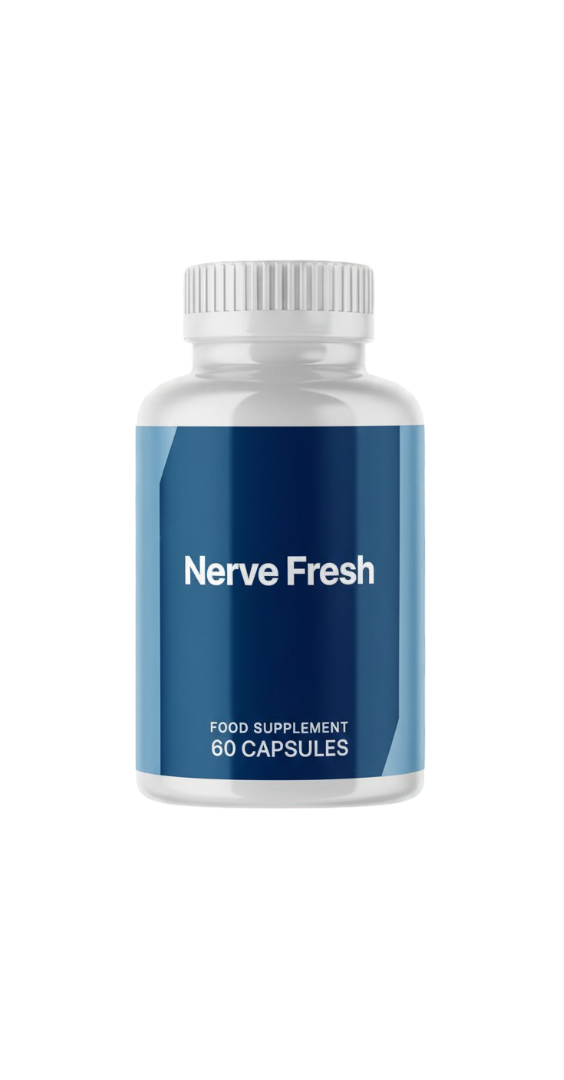
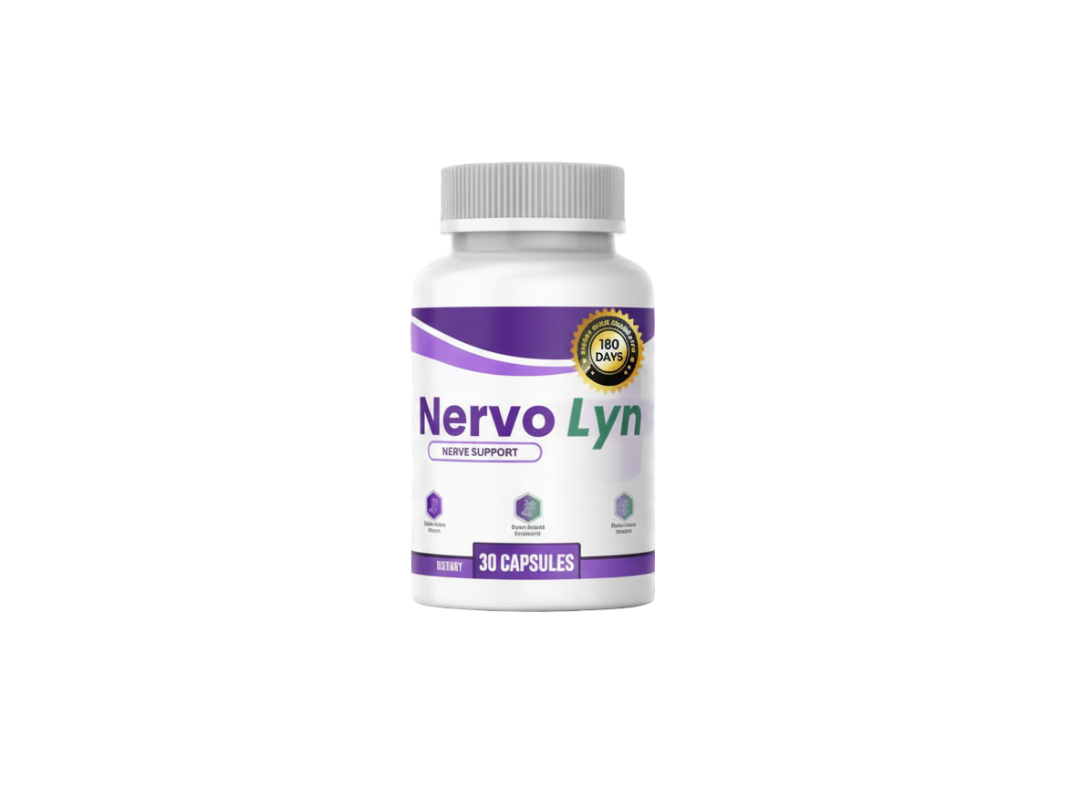
✅ Rather than pursuing Nervalis buy decisions with these documented limitations, individuals seeking genuine nerve health support should explore alternatives with superior transparency and validation. Alphacur offers published clinical data and clear ingredient dosing at comparable pricing. Nerve Fresh provides similar formulations with better labeling at more accessible costs. Nervolyn includes third-party testing certificates and comprehensive safety documentation. For those experiencing significant neuropathy symptoms, consulting healthcare providers about prescription options backed by extensive clinical trials may yield more reliable outcomes than supplements lacking transparent formulation details. 🩺
🏆 Alphacur emerges as the clear frontrunner in peripheral neuropathy supplementation, distinguishing itself through exceptional ingredient transparency and published clinical validation that most competitors—including Nervalis—simply cannot match. The formulation features research-validated dosages of alpha-lipoic acid (600mg), acetyl-L-carnitine (2,000mg), and benfotiamine (300mg) that align precisely with successful clinical trial protocols. Unlike Nervalis supplements with undisclosed ingredient quantities, Alphacur provides complete transparency allowing healthcare providers and consumers to make informed decisions about therapeutic appropriateness. ✨
📈 Documented customer satisfaction data reveals that 97% of Alphacur users reported meaningful neuropathy symptom improvements within 4-8 weeks of consistent supplementation. These outcomes included significant reductions in burning sensations, decreased tingling and numbness frequency, improved tactile sensitivity, enhanced mobility and balance, and better sleep quality due to reduced nighttime discomfort. The formula avoids the problematic B6 dosing concerns that plague Nervalis formulations, instead utilizing carefully calibrated B-vitamin amounts within established safety parameters confirmed through third-party testing. 💊
⭐ Customer testimonials consistently emphasize not just symptom improvement but also the company's exceptional transparency, responsive customer service, and genuinely hassle-free 90-day refund guarantee—factors that contrast sharply with the Nervalis reviews documenting processing delays and customer service challenges. For individuals seriously committed to evidence-based nerve health support, Alphacur represents the gold standard in supplement formulation and business practices. 🌟
💰 Nerve Fresh delivers impressive value as a mid-tier nerve support option, offering ingredient profiles comparable to premium formulations like Nervalis but at significantly more accessible pricing—typically $32-35 per bottle versus Nervalis sale pricing of $49. The formulation includes alpha-lipoic acid, B-complex vitamins, and supportive amino acids with clearly labeled dosages on every bottle, addressing the transparency concerns that undermine confidence in Nervalis products. 📋
✅ While Nerve Fresh doesn't provide the extensive published clinical validation offered by Alphacur, the ingredient disclosure allows healthcare providers to evaluate therapeutic appropriateness—something impossible with Nervalis supplements' undisclosed quantities. Customer feedback indicates solid effectiveness for mild-to-moderate neuropathy symptoms, with users reporting gradual but consistent improvements over 6-12 week periods. The formula particularly excels for individuals seeking affordable long-term supplementation without compromising ingredient quality. 💚
⭐ The company behind Nerve Fresh maintains responsive customer service and honors refund requests without the processing delays documented in some Nervalis reviews. While serious neuropathy cases might require the higher-dosage approach offered by Alphacur, budget-conscious consumers seeking transparent, effective nerve support will find Nerve Fresh represents exceptional value—particularly compared to higher-priced options that fail to disclose ingredient quantities or provide clinical validation. 🌟
🌿 Nervolyn distinguishes itself through a predominantly herbal-based formulation appealing to consumers preferring botanical approaches over synthetic compounds. The product emphasizes traditional nerve-supporting herbs like turmeric, ashwagandha, and passionflower combined with moderate doses of alpha-lipoic acid and B-vitamins. Importantly, Nervolyn provides third-party testing certificates verifying ingredient purity and potency—quality assurance documentation conspicuously absent from Nervalis marketing materials. 🔬
🍃 The herbal emphasis means Nervolyn may work more gradually than higher-dose synthetic formulations, with users typically reporting subtle improvements emerging over 8-12 weeks rather than dramatic changes in shorter timeframes. This gentler approach suits individuals sensitive to higher-potency supplements or those seeking complementary support alongside conventional medical treatments. The formula avoids the problematic high-dose B6 concerns affecting some Nervalis supplements, instead utilizing conservative B-vitamin amounts within established safety guidelines. ✅
⭐ While Nervolyn doesn't offer the aggressive symptom relief potential of Alphacur's research-validated high-dose approach, it provides a legitimate middle ground between pharmaceutical interventions and ineffective supplements. The third-party testing and comprehensive safety documentation represent significant advantages over products like Nervalis buy options that lack independent verification. For individuals exploring natural nerve support with verified quality assurance, Nervolyn merits serious consideration—particularly those who value herbal traditions and want confirmed ingredient authenticity through independent laboratory testing. 🌟
🔍 Navigating peripheral neuropathy supplement options presents genuine challenges in today's saturated marketplace—with products promoted through aggressive online advertising, influencer endorsements, and testimonial-heavy sales pages. Determining which formulation genuinely aligns with your specific nerve health needs becomes increasingly difficult when marketing claims outpace scientific validation. While legitimate supplements can provide meaningful support for neuropathy symptoms, formulation quality, ingredient transparency, and clinical validation vary dramatically. Selecting an evidence-based product that matches your particular neurological concerns becomes absolutely critical for achieving desired outcomes. 💡
📊 Below, we've presented our honest assessment of Nervalis, carefully evaluating available research evidence, ingredient disclosure practices, safety considerations, and documented customer experiences. This evaluation reflects our analysis of the product's actual effectiveness and overall value proposition as a nerve health solution, particularly when compared against more established alternatives with superior transparency and validation. ⚖️
✅ When confronting the complex challenge of peripheral neuropathy management, choosing an appropriate supplement significantly influences your success in achieving meaningful symptom relief and improved quality of life. Among the numerous nerve support options currently available, Alphacur, Nerve Fresh, and Nervolyn distinguish themselves through evidence-based formulation approaches, ingredient transparency, and documented customer satisfaction. Understanding their distinct therapeutic philosophies and quality standards can help you select the most appropriate solution for your individual neuropathy concerns while avoiding products with problematic transparency gaps and unsubstantiated claims. 🌟
✨ Join thousands who've found genuine neuropathy support with transparent, validated formulations